Best Fence Builders: Fence Panel Placement Tips
A fence looks easy up until you're holding a line level in one hand and a slightly cursed measuring tape in the other. The reality is, a lot of "my fencing looks off" problems come down to one point: panel placement. Not elegant aluminum versus timber. Not whether your messages are the "ideal" brand name. Placement. The straightness of the rails, the repeatability of spacing, and the means each panel lands in regard to the next.
When you get placement right, your fencing looks deliberate, also from throughout the yard. When you get it incorrect, every little thing amplifies. A tiny mismatch at one blog post turns into a noticeable bow, a shadow space, or an inclined top that catches every eye like it's auditioning for area HOA drama.
Below are the panel positioning pointers I use on genuine installs, the same type of guidance you would certainly anticipate from the Best Fencing Contractors and Best Fencing Installers that do this each week, not just on Saturdays when the weather cooperates.
Alignment begins before the very first board touches wood
It's alluring to assume positioning starts when you hang the first panel. That's when individuals begin going after the problem they can see, like trying to re-tile a floor after the cement has set. Genuine placement starts with just how you set your blog posts and how you prepare the "math" in between corners and end points.
Measure from a reference line, not from vibes
Choose a recommendation line and adhere to it. A string line is your friend. You desire the line to represent where the fencing face ought to be, consistently, across the entire run. If you determine from an edge that's not square, or from a risk a person relocated "simply a little," you're building on a wobble.
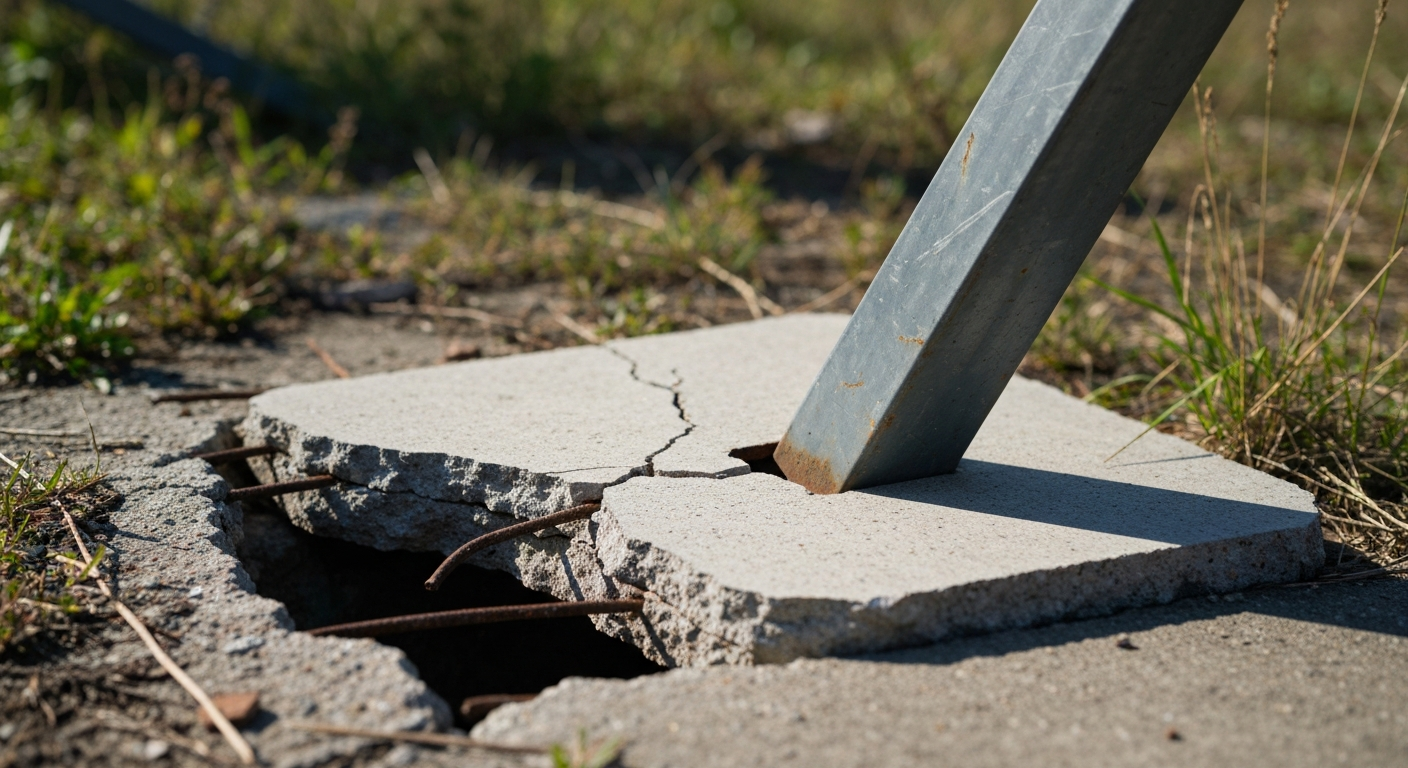
Here's what I see a great deal: the messages are installed roughly plumb, the spacing looks fine, after that somebody notices the fence isn't "focused" between two corners. When you inspect back, the beginning factor was off. As soon as the very first panel is set utilizing the wrong referral, the rest politely follows along into the exact same mistake.
Post spacing is panel spacing with consequences
If you're using a pre-manufactured panel system, the panel width and the post spacing are linked. Even if your blog posts are flawlessly plumb, mis-spacing them can cause panels to eliminate each other. Depending upon the style, you might obtain:
- panels that compress a little, leaving a regular void somewhere else,
- panels that sit honored and after that force the next section to compensate,
- or rails that do not associate the accessory points.
You don't always see it quickly. Sometimes the mismatch shows up after the last fastener enters, when the fence leading rail instantly appears like it's trying to leave the property.
The Best Fence Companies and Best Fence Builders I have actually viewed do not deal with article spacing like an optional pointer. They treat it like part of the structure.
The "top line" way of thinking: aim for a visual horizon, not just a degree measurement
Fence positioning isn't only concerning plumb articles. It's likewise concerning the visual line of the top rail or the fence cap. Also if you've got a perfect level at one article, a fencing can still look wrong if the leading change does not match the grade or if you don't make use of a consistent technique for slopes.
Use regular progressing method: choose one and commit
There are generally two strategies: the fence steps with the terrain (pickets or panels remain constant, however the height modifications), or it adheres to the incline (even more uniform top line, however panel spacing and gaps can alter).
Which one is "ideal" depends on the fencing type and what you're developing to. For lots of panel styles, stepping works well since the panel elevation is extra convenient, and it prevents requiring panels to stretch or space unnaturally.
If you're installing over unequal ground, the greatest placement win is uniformity. The fence needs to fluctuate in a pattern you can explain. When one section actions and the next area ravels, the eye captures the modification every time.
Grade can trick your measurements
Soil settles. Types of ground can hide a reduced place until you pull the string tight. I've seen installments where the messages looked great, and after that a month later the fencing drooped discreetly and now a leading rail no more adheres to the very same arc.
If you desire positioning to last, don't just determine when. Confirm after the concrete is established, or at the very least reconsider limited follow backfill. Realignment is less complicated when you can still readjust add-on points, not after whatever is completely secured and cured.
Panel positioning technique: start square, then "secure the lane"
Here's the process that keeps panels looking like they belong with each other. Not complicated, just disciplined.
1) Get your end factors dead solid
If you have edges, gateways, or finish messages, treat them like support factors. Your fencing panels can tolerate little blemishes, but gateways reveal them quick. A somewhat out-of-square gate opening can trigger latch issues, but also without that, it will certainly make the fence line really feel skewed.
Before panels go on, verify the fencing line and make sure end blog posts remain in the appropriate strategy position.
2) Plumb each blog post, yet also examine "face positioning"
Plumb indicates directly. Face placement indicates the post straightens to the exact same aircraft as the rest of the fencing face. A blog post can be plumb and still be "drawn in" relative to the line if your string is off or if you measured from the wrong side of the post.
When you attach panels, the panel edge will certainly follow the post face. If you chase alignment later on forcibly panels to fit, you'll wind up with changed spacing, uneven gaps, or twist.
3) Utilize a "lock" board or placement jig
Many installers use a scrap board to establish spacing and height. You can do the exact same thing with something as simple as a straight 2x4 and a number of spacers. The concept is to give on your own a physical recommendation for where each panel need to land.
This issues most when panels have a constant mounting height. If you keep re-measuring each panel from scratch, tiny variations creep in. When you utilize a lock board, you eliminate a lot of that drift.
4) Verify with a string, not just your eyes
Your eyes are a liar under certain lighting. Morning shadows make a rail appearance more than it is. Late mid-day glare can trick you into thinking a line is directly when it's not. A string line gives you an honest visual check.
Run the string along the leading rail line or the panel face line as you go. It takes an added minute and it conserves you the "why does this look off" conversation later.
This is the type of information that separates "sufficient" from the type of straight fences people extol when they suggest Best Fencing Contractors to a neighbor.
Spacing and gaps: the illusion of straightness
Many panel systems have a target spacing or a deliberate void. Some designs look best with consistent small voids. Others look best when rails are limited and shadow lines are uniform.
Alignment errors frequently appear as uneven spaces, even when the leading line looks all right. That's since a twist in between messages can transform the obvious spacing at the panel edges.
Treat the space like a dimension, not decoration
When you set a panel, gauge a gap on top and near the bottom when possible. A panel can be lined up correctly at one factor and somewhat turned at another factor as a result of installation pressures, particularly if the message is a little manipulated or the ground shifts.
If you catch the rotation early, you can correct it by readjusting attachment fasteners, not by yanking the panel into place and hoping for the best.
Twist is the quiet fence killer
Fence panels can twist when messages aren't flawlessly in the very same airplane, or when you fasten too early with no allowance for placement. As soon as you lock the very first fasteners, the panel comes to be more challenging to correct.
A functional strategy is to begin fasteners lightly, align the panel, after that completely tighten up. If your hardware is adjustable, utilize that modification. If it isn't, decrease and get the placement right before the last fastener.
Concrete and backfill: positioning after the put matters
Even if your messages are established perfectly on the first day, the ground and concrete work can gradually relocate them. Positioning shouldn't need faith.
Brace, put, and protect
When posts are installed, they need stability until the concrete cures and the backfill does not move. If you pour and then bump the article with the following board, you've just developed a little adjustment that may be undetectable initially however obvious on panel lines.
Wind is an additional tricky factor. Panels act like sails. A gust can push a barely-stable blog post when you're holding things in place.
If you desire the fence to remain lined up, protect the mount throughout that susceptible window.
Backfill compaction affects face alignment
If you backfill with loose product and do not small, you can obtain post motion later. That activity could be tiny, but fence positioning is "tiny errors, long distances" math.
The Best Fence Installers I recognize deal with backfill like it counts. They compact in layers, not in a single careless pour that looks excellent today and gradually sinks tomorrow.
Uneven surface: how to maintain panels looking intentional
If your yard is flatter than a swimming pool table, congratulations, you reside in the suitable world. Most people do not. Incline, dips, and transitions between driveway and yard turn up as placement problems if you do not address them early.
Decide where the "step" happens
With lots of panel designs, the most visually acceptable area for a change in elevation is near a corner, near a gateway, or at a nadir where it will not feel like the fencing arbitrarily made a decision to trip.
Placing the action in an area you can warrant looks better than pressing it into the middle of a run where it ends up being the focal point.
Use a constant recommendation height
Pick an elevation reference for panel placement and repeat it. You can reference off a leading rail measurement or make use of an easy format mark on articles. What you're avoiding is each panel being set based on the ground where it occurs to land.
If one panel is set up "high" since the ground looks okay then, it can require later on panels to compensate, and the fence line comes to be a staircase of inconsistencies instead of one prepared transition.
Gates and rails: placement problems that show up first
Gates are where alignment goes to obtain examined. They have relocating components, hinges, and latching equipment. Also a minor panel imbalance can trigger an entrance to scuff or sit awkwardly.
Leave space genuine equipment adjustment
When you mount hinges and latch elements, plan for adjustment. Numerous gate joint systems enable some array, however not unlimited array. If you established everything strictly without thinking of where the gate will work out under lots, you can wind up with a fence line that looks off and a gate that acts worse.
If your fencing system utilizes a regular fence blog post and panel add-on technique, keep eviction opening true and lined up with the fencing face. It's better to adjust panel design slightly around eviction than to compel the gate equipment right into a compromise.
Common alignment errors (and just how to avoid them)
I have actually made a few of these errors myself, which is reassuring, since it suggests you can recuperate from them. The large distinction is whether you catch them very early or discover them after every little thing is painted.
Mistake 1: Setting up panels without a momentary spacer
If you don't use a spacer or positioning method, panels can drift. The fencing may still look penalty for three panels, then suddenly the spacing changes. A low-cost spacer saves you expensive rework.
Mistake 2: Over-tightening early
You can catch a panel in a slightly wrong position. After that, even if your eyes later on detect the misalignment, there's insufficient "play" left in the equipment to correct it without getting rid of fasteners.
Mistake 3: Treating corners like suggestions
Corners are where mistakes reveal. If you angle an edge run improperly, panels will not "fulfill" properly. The fence may still look close, but the visual seam ends up being obvious.
A quick positioning list for fencing panel installs
If you only bear in mind something, remember this: positioning is a sequence of small checks duplicated continually. Here's the portable version I use when I'm moving fast but still want it right.
- Snap a string line for the fence face and verify it at numerous factors along the run.
- Plumb each message and confirm it matches the fence face plane, not simply upright degree.
- Use a repeatable spacer or placement board to set panel elevation and spacing.
- Keep fasteners light till the panel is straightened, after that tighten up fully.
- Recheck top rail line with a string after each area so drift gets captured early.
That checklist is brief because the work is not. But brief does not mean informal. It means you're not guessing.
How to select "Best Fence Builders" for positioning quality
Let's talk about employing, due to the fact that you might not intend to battle a fence panel while the wind tests your personality.
When you're comparing Best Fence Companies, Best Fence Contractors, Best Fence Installers, and Best Fence Builders, placement ought to be part of the conversation. A terrific business will not only chat materials and warranty. They'll speak process.
Here are the signals I look for.
They inquire about layout, not simply materials
If someone turns up and only asks what best fencing company cost color you want, that's a red flag. If they ask about residential property lines, edges, gateways, incline, and how you want the fencing to shift over unequal ground, that usually suggests they have actually handled alignment challenges before.
They program images where the seams make sense
Not all photos are handy, however seek close-ups of corners, gate locations, and top rail positioning. If you see uniform darkness lines and consistent spacing, that's not good luck. It's process.
They prepare for adjustment
A good installer expects to adjust. They understand hardware tolerance issues and that also a well-laid strategy strikes real-world constraints.
A fence is not a CAD documents. It's equipment in soil, reacting to time. The very best outfits build with that truth in mind.
A note on patience: why the "slow-moving" installers look best
The fastest installers in some cases look fantastic for the initial hour, after that the fencing line levels later. The slow-moving installers take more time due to the fact that they're inspecting placement repeatedly, dealing with early, and protecting against twist from locking in.
If a professional is constantly determining and adjusting as they go, that can feel like "way too much difficulty." It isn't difficulty. It's just how you avoid investing hours later on getting rid of and re-installing panels to go after a misalignment you might have protected against in 10 minutes.
Painting and completing: don't allow positioning troubles conceal under color
Sometimes a fence looks penalty till it's stained or painted. That can be due to the fact that darker coatings decrease comparison and conceal small shadows. It can likewise be because ending up modifications how straightness checks out in your yard.
If you're doing coating job, do one more placement visual check prior to finishing. Stand back at the distance you'll see the fence usually from, like from the driveway or a living-room window, not just from the yard edge.
If something feels somewhat off, it's generally not your creative imagination. Repair it before coating secures it in.
Troubleshooting: "My fence is misaligned, now what?"
If you're reading this because your existing fencing is providing you side-eye, do not panic. You can fix a surprising amount, but the appropriate relocation relies on what type of misalignment you have.
A fence that's bowed along the run usually originates from post placement or brace activity throughout installation. Irregular voids might come from message face plane differences or twist. A fencing that looks slanted on top may be irregular leveling method or message elevation differences.
The initial step is determining the pattern. Does the error show up at every panel, or near edges and entrances? Does it transform after a certain blog post? When you recognize the pattern, the repair ends up being clearer.
If you suspect an equipment concern, in some cases loosening and re-tightening with mindful placement can remedy an area. If a message is out of setting, you may require to readjust add-on factors or, in extreme situations, re-set posts. That's not fun, yet it's solvable.
The part individuals neglect: placement is your "future maintenance" strategy
A fence that's lined up correctly is much easier to evaluate and keep. Doors open and close cleanly. Gates latch without pressure. Boards and rails experience more even tension as opposed to localized anxiety where spin and gaps concentrate.
Over time, tiny positioning renovations reduce the chance of the fence "drifting" visually. Not because nothing actions, yet due to the fact that motion is much less most likely to turn into a noticeable, runaway misalignment.
If you're picking among Best Fence Companies or Best Fence Contractors, ask exactly how they manage alignment checks throughout the develop. The very best installers deal with alignment as an ongoing procedure, not an one-time setup.
Final thoughts from the real world
Fence panel alignment is equivalent components geometry and judgment. You're collaborating with messages in dirt, hardware resistance, surface modifications, and the simple truth that timber steps. The winners in this group are the installers that value the format, usage repeatable referrals, and correct drift very early instead of hoping it evens out later.
If you desire your fencing to look straight, constant, and purposefully placed, focus on the foundation of alignment: recommendation lines, post face plane, repeatable panel spacing, and consistent leveling approach. Do that, and even when the yard fights back, the fence will certainly still look like it belongs.
And truthfully, that's the ambiance you want from the most effective Fence Builders. Not simply "it's standing," but "it's ideal."